




Vietnam has officially taken a significant step toward strengthening its digital infrastructure as the Radio Frequency Department under the Ministry of Science and Technology has granted a license to Starlink Services Vietnam Co., Ltd. to deploy four gateway stations operating on the E and Ka frequency bands across the country.
Four Starlink Gateway Stations Approved in Vietnam
According to the Radio Frequency Department, Starlink Services Vietnam has been authorized to use radio frequencies and install radio equipment for fixed satellite services at four strategic locations nationwide.
The approved gateway stations include:
- Lien Chieu Ward, Da Nang City – Starlink Da Nang Ground Gateway
- Binh Nguyen Commune, Phu Tho Province – Starlink Phu Tho Ground Gateway
- Tang Nhon Phu Ward, Ho Chi Minh City – Starlink Ho Chi Minh City Gateway 1
- Tan Thuan Ward, Ho Chi Minh City – Starlink Ho Chi Minh City Gateway 2
The Da Nang gateway station is particularly noteworthy, positioning the coastal city as a key digital infrastructure hub in Central Vietnam.
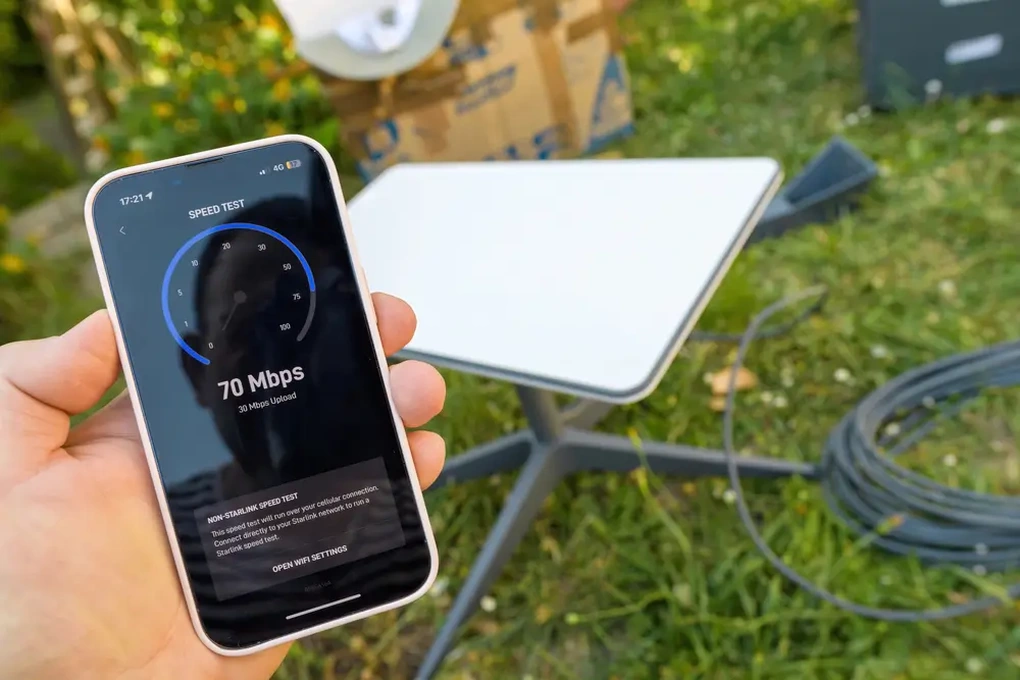
What Is a Starlink Gateway Station?
A ground gateway station is a critical infrastructure component within the satellite internet ecosystem. Often described as the “brain” of the system, it connects satellite networks in orbit with high-speed fiber-optic internet infrastructure on Earth.
These gateway stations perform several essential functions:
- Signal conversion between satellites and terrestrial networks
- Latency reduction for faster data transmission
- Enhanced data security
- Traffic management for stable and reliable connectivity
By integrating satellite signals with Vietnam’s existing broadband infrastructure, the new Starlink gateways will significantly enhance network stability and coverage.
Official Licensing of Starlink Satellite Internet in Vietnam
Prior to this development, the Telecommunications Authority under the Ministry of Science and Technology granted Starlink Services Vietnam a license to provide telecommunications services with network infrastructure, specifically fixed satellite telecommunications services.
Starlink, developed by SpaceX (United States), is a global satellite internet system designed to deliver high-speed broadband with low latency through Low Earth Orbit (LEO) satellite technology.
The Starlink constellation currently consists of approximately 6,750 satellites operating at an altitude of around 550 kilometers above Earth. The service has already expanded to more than 125 countries and territories, serving over five million users worldwide.
Strict Regulations on Frequency Usage and Interference
The Radio Frequency Department has emphasized that Starlink Services Vietnam must ensure its operations do not cause harmful interference to other licensed radio systems in Vietnam, particularly those serving national security and defense purposes.
In cases where harmful interference occurs, Starlink must immediately suspend operations until the issue is fully resolved.
Additionally, the use of frequencies and the management of potential interference among non-geostationary satellite systems must comply with regulations set by the International Telecommunication Union (ITU). Starlink Services Vietnam is also required to implement technical measures to prevent interference with other services operating within the same frequency bands.
Vietnam Joins the Growing Southeast Asian Starlink Network
Upon completion of the deployment process, Vietnam will become the fifth country in Southeast Asia to adopt Starlink satellite internet services, following the Philippines, Malaysia, Indonesia, and Timor-Leste.
This milestone reflects Vietnam’s ongoing commitment to digital transformation and advanced telecommunications infrastructure. With the establishment of gateway stations in Da Nang, Ho Chi Minh City, and Phu Tho, Starlink satellite internet in Vietnam is expected to expand broadband accessibility, particularly in remote and underserved areas where traditional fiber infrastructure remains limited.
As Vietnam accelerates its journey toward becoming a regional digital powerhouse, the arrival of Starlink marks a transformative chapter in the nation’s connectivity landscape bridging distances, reducing latency, and unlocking new opportunities for businesses, communities, and innovation nationwide.